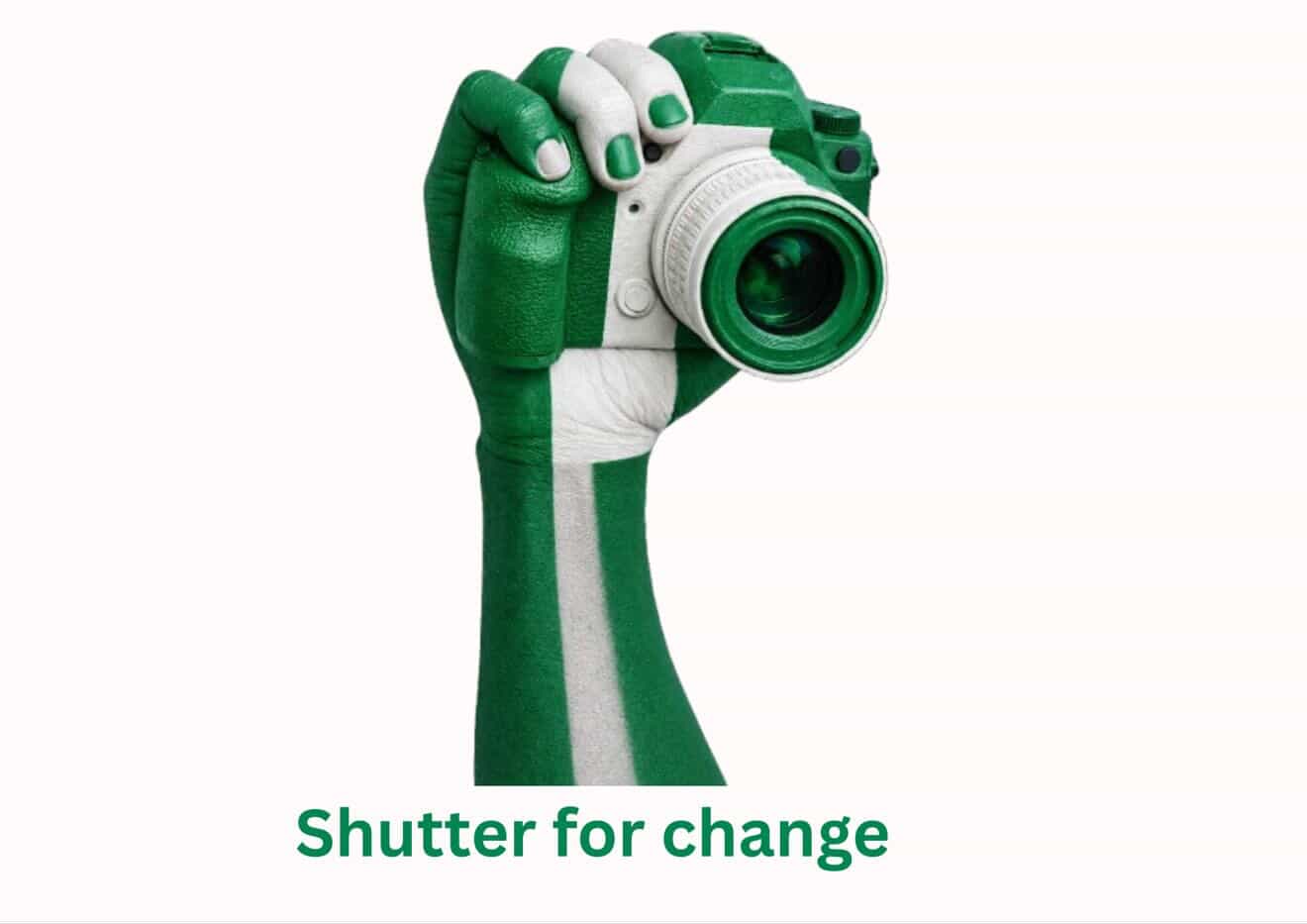
WHY SHUTTER FOR CHANGE WILL WORK
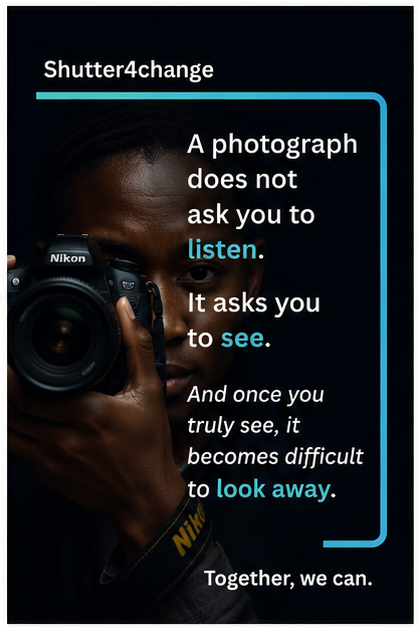
Shutter for Change is more than a photography project. It is a social movement grounded in the knowledge of psychology, sociology, art, photography, communication, peacebuilding, trauma studies, and nation building. Together, these fields show that images do more than documenting history, they shape identity, transmit emotion, strengthen communities, inspire reconciliation, and help societies imagine a different future.
For decades, Nigerians have repeatedly been exposed to images of conflict, corruption, poverty, violence, ethnic division, and political disappointment. These images have become part of the nation’s psychological environment. They have influenced not only how the world sees Nigeria, but also how Nigerians see themselves.
Shutter for Change seeks to change that environment, not by denying our problems, but by introducing a new visual story. It presents authentic photographs of ordinary Nigerians from different ethnic groups, religions, generations, and communities choosing unity, dignity, hope, and shared identity. This approach is supported by several powerful theories, such as:
1.Mere Exposure Effect
Psychologist: Robert Zajonc
Robert Zajonc demonstrated that people naturally develop more positive feelings toward things they encounter repeatedly. This is known as the Mere Exposure Effect. The more familiar something becomes, the more acceptable and trustworthy it often feels.
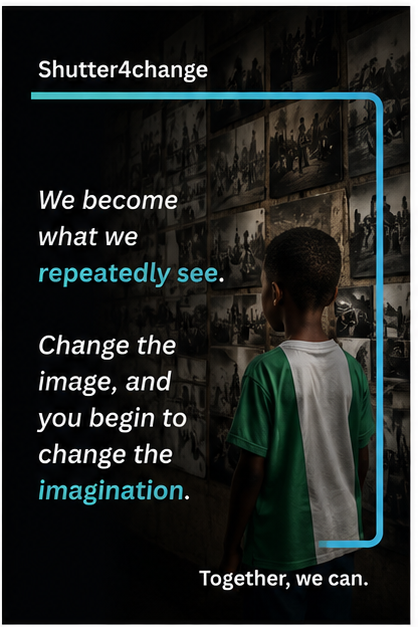
Shutter for Change applies this principle by repeatedly presenting positive images of Nigerians standing together under one flag. As these photographs appear across exhibitions, schools, newspapers, social media, documentaries, and public spaces, they gradually become familiar. Over time, unity begins to feel less like an ideal and more like a normal part of Nigerian life.
A single photograph may inspire someone for a moment. Thousands of photographs, seen over many years, can gradually reshape public perception.
2.Collective Effervescence
Sociologist: Émile Durkheim
Émile Durkheim observed that people experience a powerful emotional connection when they participate in shared activities and symbols. He called this experience Collective Effervescence.
Whether people gather around a national celebration, a sporting event, a memorial, or a cultural festival, they often leave feeling more connected than when they arrived. Shared experiences strengthen the sense of belonging.
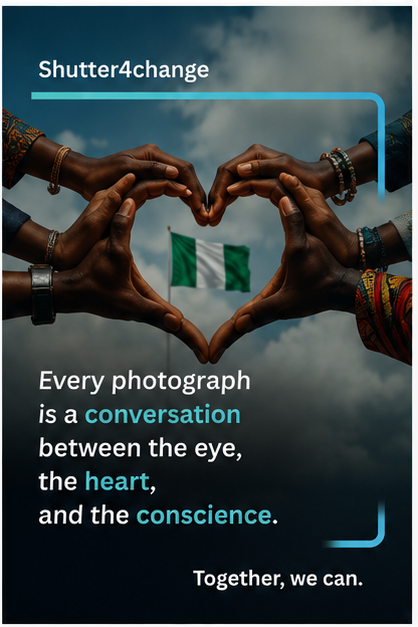
Shutter for Change creates this same feeling through photography. Every portrait becomes part of a larger national story. Every participant joins a movement bigger than themselves. Every exhibition reminds viewers that they are not isolated individuals but members of one national community.
Photography becomes a meeting place where strangers recognize one another as fellow citizens.
3.Social Identity Theory
Psychologists: Henri Tajfel and John Turner
Henri Tajfel and John Turner explained that people naturally define themselves by the groups they belong to. These identities influence how people think, whom they trust, and how they treat others.
When people identify more strongly with ethnic, religious, or regional groups than with their country, division becomes easier. But when a shared national identity becomes stronger, cooperation also becomes stronger.
Shutter for Change does not ask Nigerians to abandon their cultures or traditions. Instead, it reminds us that beneath our many identities is one that we all share, we are Nigerians.
Each photograph quietly reinforces that shared identity. The project celebrates diversity while strengthening the bond that unites us.
4.Emotional Contagion
Researchers: Elaine Hatfield, John Cacioppo, and Richard Rapson
Research on Emotional Contagion shows that emotions spread from person to person. We naturally absorb the feelings expressed by the people we see around us.
A smiling face often makes us smile. Hope encourages hope. Fear spreads fear. Anger spreads anger.
Photography has the power to transmit these emotions. When people repeatedly encounter genuine images of courage, compassion, forgiveness, resilience, joy, and national pride, those emotions begin to spread throughout communities.
Shutter for Change intentionally fills the public space with images that encourage hope instead of despair, dignity instead of shame, and unity instead of suspicion.
5.Visual Rhetoric
Scholar: Sonja K. Foss
Communication scholar Sonja K. Foss argues that images do more than decorate ideas, they persuade. Photographs, symbols, colours, and visual stories shape the way people understand the world.
Unlike long speeches or complicated reports, a photograph communicates immediately. It reaches people regardless of language, literacy, education, or political affiliation.
People may disagree about words, but a genuine photograph has a unique ability to invite reflection before debate begins. It reaches the emotions first, then the intellect.
This is why photography has influenced social movements throughout history. Images have exposed injustice, inspired compassion, challenged prejudice, and encouraged people to imagine a better future.
Shutter for Change uses this same visual power to tell a different story about Nigeria.
WHY REAL PEOPLE MATTER
The strength of Shutter for Change lies in its authenticity.
These are not advertisements. They are not carefully scripted performances or actors playing a role. They are real Nigerians, rich and poor, military and civilian, Christians and Muslims, young and old, people from every ethnic group, profession, and walk of life, each with a story worth telling.
Every photograph captures someone who has lived through Nigeria’s triumphs and trials, its joys and disappointments, its moments of hope and hardship. Yet, despite their different backgrounds and experiences, they have made a conscious decision to stand together in unity.
Their faces are not merely portraits; they are evidence that our shared humanity is greater than our differences. Their stories remind us that while our journeys may be different, our future is one we can choose to build together.
Their faces become evidence that reconciliation is possible.
Their stories become evidence that hope still exists.
Their presence makes the message believable.

Join the conversation